In 1983 I began practicing Nichiren Buddhism with the Soka Gakkai and took as my mentor in faith and life Daisuku Ikeda, Buddhist “philosopher, educator, author, and nuclear disarmament advocate,” as Wikipedia describes him. He is an immensely prolific author and has written numerous commentaries on Nichiren’s teachings, as well as essays, weekly newspaper columns, children’s books and volumes of faith encouragement. At age 65, he began writing a novel documenting the growth of the Soka Gakkai that grew to 30 volumes. He finished Volume 30 last year. He has published numerous dialogues with world leaders, scientists, artists, historians, and political activists, but he also writes poems in the Japanese Waka tradition to encourage practitioners, and he is an inveterate photographer.
My mother, a life long Christian, who had worked for church organizations for a good part of her adult life, converted to Buddhism several years before I joined. I saw the positive influence it had on her outlook on life and the opportunities that opened up for her after she began her practice. I was moved by the deep kindness of the Japanese pioneer members and the experiences, energy and conviction in the practice manifested by people I met from different races, previous religions, and from many different walks of life, who were seeking to manifest the Buddhahood or the enlightened nature of their own lives and to help others do the same. When my newborn son died at 10 days of age, I found comfort in Nichiren’s views on the eternity and unity of life and death. And when I returned to graduate school at City College in the 1990s to finish up a degree in creative writing I had begun at Columbia more than 15 years prior, I wrote this poem about my Buddhist practice. I’ve revised this poem many times. I feel like something is missing between the nursery of the lotus line and the next one about kneeling before the altar, but it serves as an attempt to express my belief and practice in poetic form.
Evening at the Buddhist Altar
This is the place I come to celebrate
my life, your life, the mystic life force of the universe
expressed in the breadth of seven characters
whether it all began with an enormous BANG or not
This subatomic, super galactic communion
of dust, of slime, of bloody ore
of H20 and air as imperceptible as eyebrows,
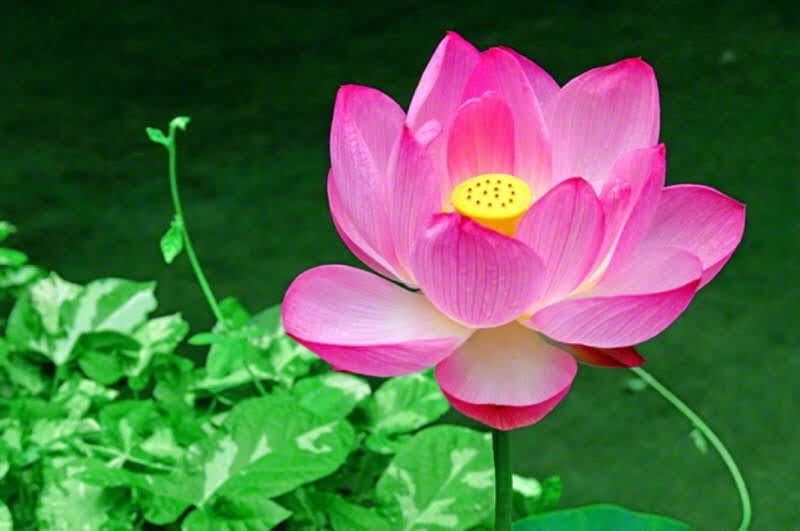
the muddy swamp, the nursery of the lotus.
Kneeling before the scroll of pulp and sumi
I board the “ship to cross the sea of suffering”
And fueled by the engine of my earthly desires
I chant the mystic phrase that redirects my course—
Nam Myoho Renge Kyo, Nam Myoho Renge Kyo, Nam Myoho Renge Kyo
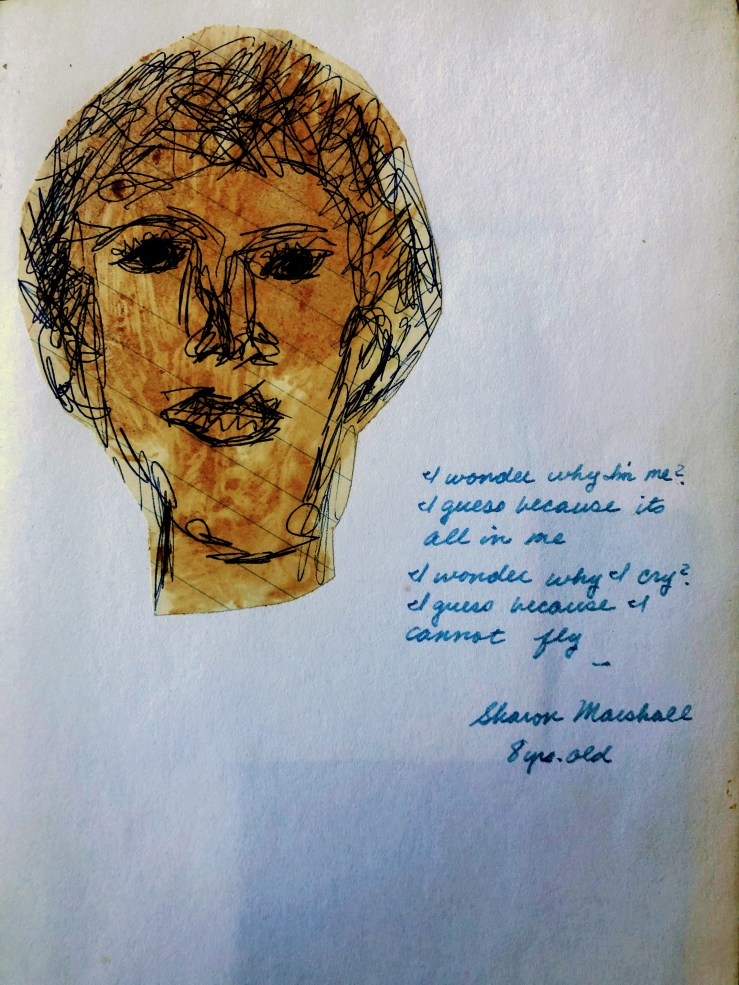
I began writing poems to express adolescent longings and philosophic musings, as many young people do, in my teens, around the same time that I took up the guitar. Most of the surviving poems make me cringe now, as juvenalia will do. But at the time I set a few of them to music. Although I was no Odetta (she was an inspiration) or Joan Baez (she was an inspiration) or Bill Withers (he was an inspiration) few activities made me happier than singing the words I had written and accompanying myself with simple chords. It became my way of being in the world and of speaking out against the injustices of racial and gender inequality and the war in Vietnam (although I only performed for my mother and my best friend Heather). A couple of years after I began playing the guitar, or maybe it was at the same time, it was all so long ago, I started taking pictures and pairing the images with poems. I had a good eye, but not a lot of technical skill in terms of figuring out the right aperture sizes and mastering concepts like depth of field. But that didn’t stop me. And looking back, I see that I longed for multimodal expression decades before I came to know what it was.

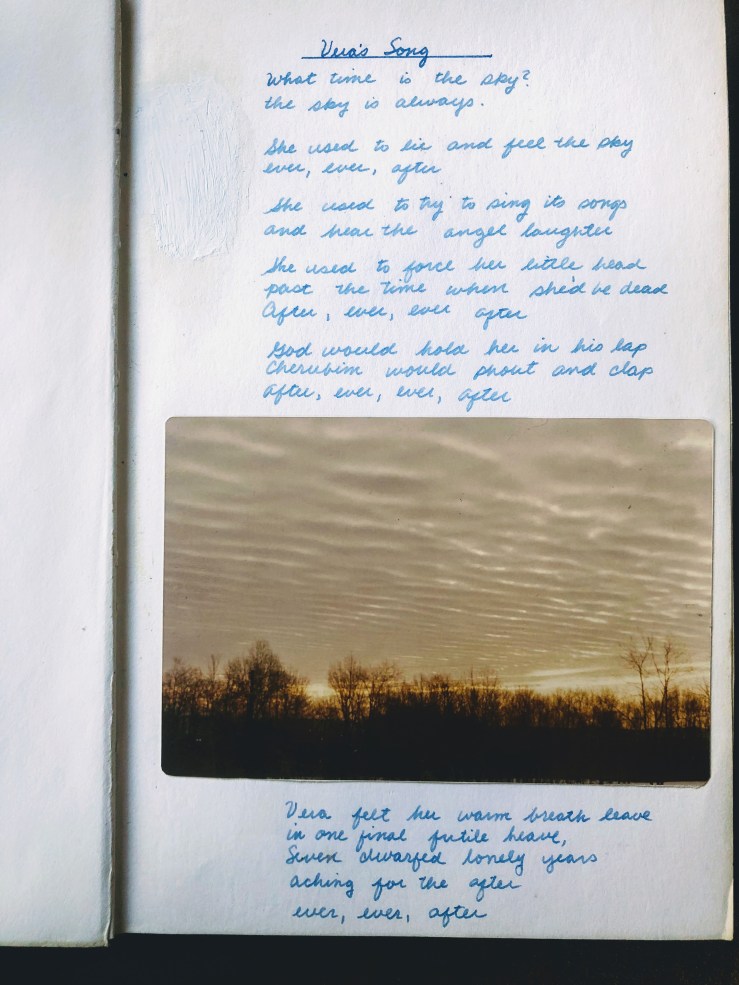
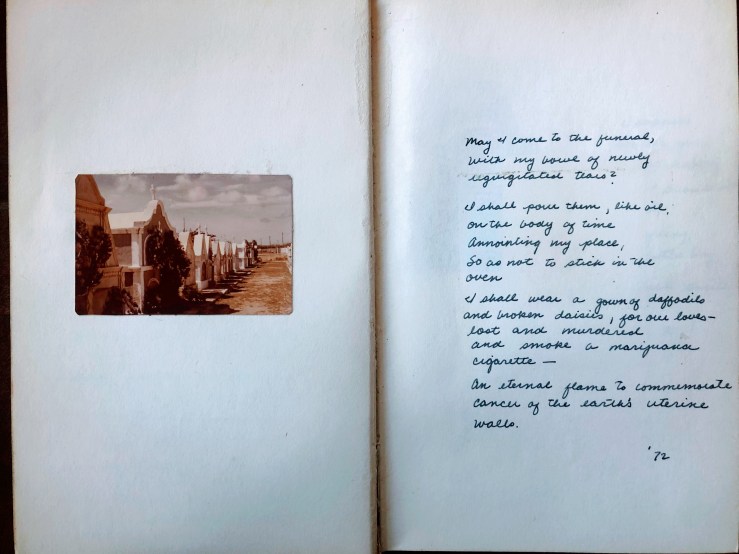
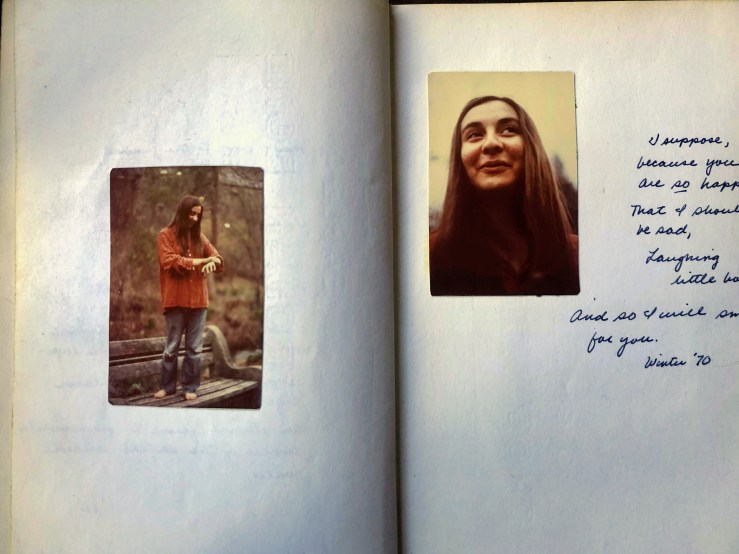

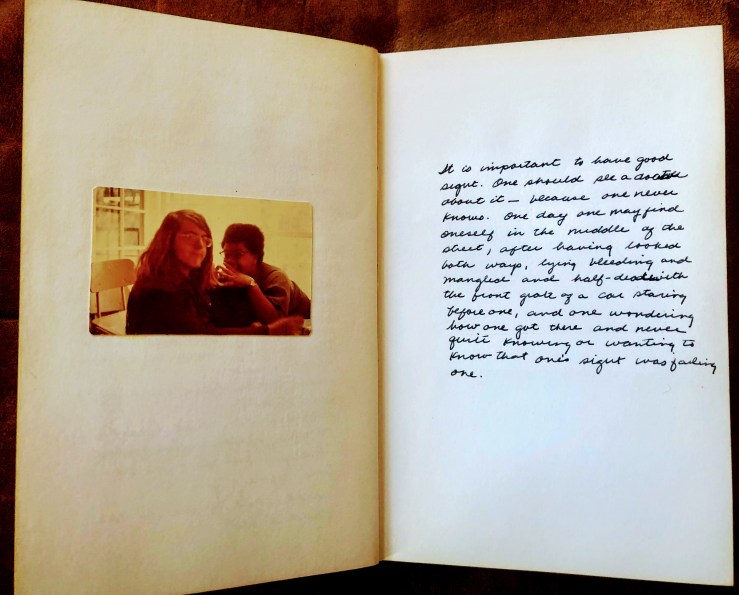

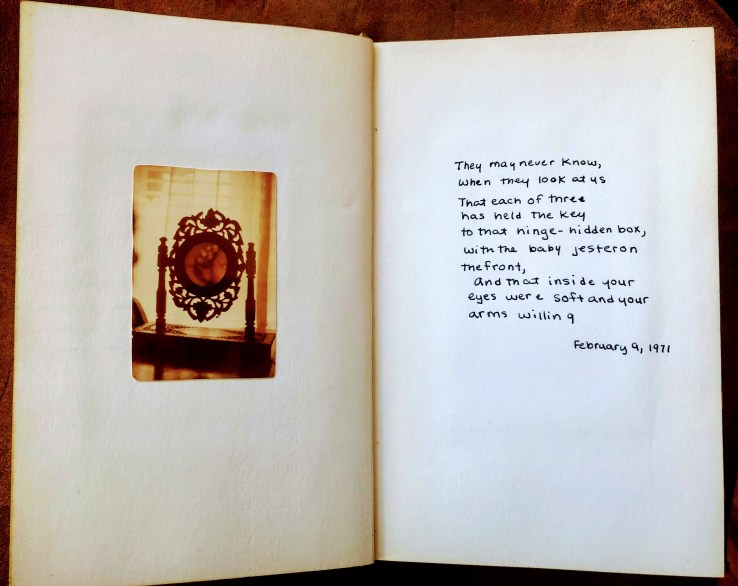


This fall semester, the first essay I had students read was “Each of Us a Poet,” by Daisaku Ikeda in which he writes:
The poet’s eyes discover in each person a unique, irreplaceable humanity. While arrogant intellect seeks to control and manipulate the world, the poetic spirit bows with reverence before its mysteries.
***
When the spirit of poetry lives within us, even objects do not appear as mere things; our eyes are trained on our inner spiritual reality. A flower is not just a flower. The moon is no mere clump of matter floating in the skies. Our gaze fixed on a flower or the moon, we intuit the unfathomable bonds that link us to the world.”
Each of Us Poet, Daisaku Ikeda
In the essay he says, ” The poetic spirit has the power to re-tune and reconnect a discordant, divided world.” And he gives as an example Nelson Mandela reading the poems of South African poet Oswald Mbuyiseni Mtshali, and “drawing from them energy to continue his struggles.” Mtshali and I, as it turns out, were in the same class at the Columbia University School of the Arts in the mid 70s.
I remember meeting Mtshali, who was much older than me, at a party and feeling silly and frivolous in his presence. His book Sounds of a Cowhide Drum would have been published by then. As I recall he was sitting in a plush armchair in the apartment of one of the professors, surrounded by other students who were in awe and who knew his reputation. I missed out on many opportunities in those days because I was so unsure of myself and had not found a way to deeply connect with people around me or to connect my personal struggles with any sort of collective movement for change—but that’s another story. Ikeda says that Mtshali used poetry as a weapon against apartheid and that Nelson Mandela was inspired by his poems. He quotes Mtshali who says that poetry is “the force that makes us decent people, people who are filled with empathy for those in need or pain, those suffering from injustice and other wrongs or societal ills.”
Mtshali’s description of poetry sounds very much like the “mystic life force of the universe” that Nichiren named Nam Myoho Renge Kyo. And when Daisaku Ikeda speaks of the poetic spirit I can’t help thinking it’s a way of naming the Buddha nature inherent in all things without using the language of Buddhism. Each of us a poet. Each of us a Buddha. I have not known much success as a poet, fiction writer, photographer, or as guitar player, but I have tried to teach in a way that embodies the poetic spirit, to see each student as “unique” and “irreplaceable” and to make each class an opportunity for all of us to connect and become better more empathetic people, who feel compelled to speak out and take action against injustice.

 Pedagogy as Poetry